From development through to distribution, manufacturing software works with Xero to enhance processes, reduce costs, and help you take control of your operations from accounting right to your shop floor. Discover how our tailored bookkeeping services can support your business growth and simplify your financial management. The best accounting software depends on your needs. Xero adapts to the needs of your industry with customizable reports and tools, including third party apps. You can handle your financial admin whenever it works for you and your manufacturing business. These add-ons allow businesses to track inventory levels, manage purchase orders, automate reorder triggers, and more.

Key Benefits of Cloud-Based Accounting Software for Manufacturing

Automated inventory adjustments as inventory xero manufacturing changes and updates in Fishbowl are sent to Xero to keep your books on target. As a user, you enjoy the opportunity to instantly update accounting records and even create new general ledger accounts from Fishbowl. Syncing Xero with Fishbowl inventory is a seamless integration process Calculate ideal reorder quantity for each inventory item.

Accounting software for manufacturers

The periodic method is well-suited for manufacturers that assemble goods for sale https://hkbvietnam.com/non-current-liabilities-examples/ and need to closely track the various components that make up each finished product. This means you only update inventory levels at the end of each month or year using inventory adjustments. Xero uses the periodic inventory method for tracking inventory. It’s worthwhile reviewing all options to find the best fit for each manufacturer’s needs – whether that’s production control, BOM and routing, MRP, quality control, etc.

By implementing Seiki, manufacturers can reduce scrap and rework while meeting expanding regulatory compliance requirements around traceability. Apps like Seikienhance quality control practices and provide manufacturing traceability. Apps like DEAR Inventory seamlessly connect Xero to advanced warehouse and inventory processes. In addition to costing, Xero also provides material requirements planning (MRP) functionality relevant for manufacturers. As manufacturing operations grow in scale and complexity, Xero seamlessly handles the increased transaction volumes. You can then make adjustments manually or import from another system at month-end to account for any inventory changes.

The Xero App Store has hundreds of apps to help you run your manufacturing business with Xero’s budgeting software. The Xero App Store has hundreds of apps to help you run your manufacturing business with Xero’s payroll software. With Xero’s manufacturing inventory management software, you can reduce manual tracking, improve demand forecasting, and automate invoices and orders, all online. MRPeasy is a powerful manufacturing ERP system purpose built to simplify all aspects of production and inventory management. Create efficiencies at every point of your production with manufacturing software apps that integrate directly with your Xero account.

Does Xero do project accounting?

For proper inventory tracking and manufacturing inventory management, a third-party app should be integrated. While small retailers and simple e-commerce companies can mostly make do with what Xero has to offer in the inventory management department, manufacturers and distributors need advanced inventory and manufacturing functionality. For small businesses, two global players offering accounting software are QuickBooks Online and Xero. Because of the need to comply with financial and tax regulations and to ensure efficient bookkeeping, accounting software is one of the first types of software rolled out in manufacturing and distributing companies.

Monitor performance with accounting software for manufacturers

This allows companies to roll out the software to include line workers without costing an arm and a leg. Additional integrations and customizations are made possible via Zapier or the open API accessible in the Unlimited package. For example, when a material order is marked as delayed, it instantly reflects in the production schedule, providing you with a new delivery date that you could quickly communicate to the customer. A recent MRPeasy case study done with the American industrial chemical manufacturer Bernard Labs revealed how after implementing the software, the company saw no need to replace two administrative employees following their retirement. The system is universal, meaning that it is not tied to one manufacturing industry specifically. Remember the functionality manufacturers and distributors need that Xero cannot provide?

Trusted by thousands of businesses – see what our customers say. Additionally, Xero’s intuitive dashboard simplifies complex financial data, making it digestible even for those without a deep accounting background. Future proof your scaling business – with advanced tools and analytics.

Make sure they understand manufacturing in general and your business in particular. With these accounting processes in place, you can use them for more than just tracking your financials for the tax office. Cloud-based software will let you do this and will also produce a paper trail if required. Once your accounting system is set up with the right methods, you’re ready to start tracking valuable business information. It’ll make more sense when you start applying the methods to your own business. That means working out which accounting methods best fit your business.

  • Work smarter, not harder with Xero’s intuitive budgeting software.
  • This section will provide an overview of some of the key features in Xero that can help manufacturing businesses streamline production costs and operations.
  • Manufacturing isn’t like other types of business.
  • By leveraging Xero’s cloud-based accounting software and integrating it with your manufacturing systems, you can streamline workflows and transform your accounting.
  • Fishbowl offers warehouse management and manufacturing software that gives small and medium-sized businesses access to features to automate processes and compete with much larger corporations.

With these features, manufacturers can optimize inventory planning, costing accuracy, and overall efficiency. By unifying financial data with production metrics in Xero, manufacturers gain end-to-end visibility for overhead cost control. With real-time tracking of overhead costs in Xero, manufacturers can analyze actual expenses versus applied/budgeted expenses.

By integrating Xero accounting software with manufacturing resource planning (MRP) solutions like MRPeasy, manufacturers can optimize these critical processes. Effective production planning and bill https://vertical-growth.com/trustworthy-bookkeeping-services-for-smb-in/ of materials (BOM) management are essential for manufacturing businesses to operate efficiently. The combination of Xero’s accounting and reporting tools with dedicated manufacturing software provides an efficient system to control costs and optimize production. Xero’s built-in inventory management features allow you to track stock levels, costs, and valuations directly within the software.

  • Evaluate your manufacturing workflows, inventory needs, integration requirements, and reporting needs.
  • Work smarter, not harder with Xero’s intuitive inventory management software.
  • Using accounting software enables companies to achieve a high degree of automation in many processes, improve data accuracy, and comply with industry regulations.
  • Combining scientific literature with his easily digestible writing style, he shares his industry-findings by creating educational articles for manufacturing novices and experts alike.
  • You can also use them to find out how efficiently your business is running – and make changes so it runs even better.

First of all, Xero is perfect for managing the accounting side of any small business. Easily manage your manufacturing and inventory with MRPeasy In addition, having a clear real-time overview of the company’s finances allows managers to make better-informed business decisions and deal quickly with accounts payable, cash flow problems, etc. Over 1000 third-party apps connect with Xero. Create and send professional online quotes, customized for your manufacturing business, in minutes on the go, from wherever you are. With Xero, you can spend less time on data entry, and stay on top of your inventory.

This allows you to accurately track inventory costs as products move through the production process. However, Xero can still be useful for manufacturers in tracking production costs. While not a complete end-to-end solution out of the box, Xero does provide a solid financial backbone on which to build a digital ecosystem tailored specifically for manufacturing.

By leveraging Xero’s cloud-based accounting software and integrating it with your manufacturing systems, you can streamline workflows and transform your accounting. Among those, one https://nxtcarrental.co.za/2022/01/13/convention-definition-meaning-and-examples/ of the most comprehensive, user-friendly, and affordable manufacturing and inventory management solutions for small businesses is MRPeasy. Accounting software plays a crucial role in manufacturing and inventory management by facilitating the handling of financial transactions, keeping financial records, tracking orders and costs, and to an extent, tracking inventory levels.

Yes — Katana also has native integration with QuickBooks Online, along with our API, which allows you to link with other accounting software where possible. With less paper to sift through and a smarter approach to creating your products, you have time to consider how to grow and evolve your business. Katana offers excellent inventory optimization and simple Xero integration, bringing more automation to your production process and organization of your manufacturing inventory and raw materials. With the right accounting systems in place for your manufacturing business, you’ll be able to optimize your processes. Of course, you’ll need the right accounting software. With this knowledge you’ll be able to choose the right accounting system to help your manufacturing business grow.

At The Recovery Village Palmer Lake, we understand that health challenges often interconnect in complex ways. This approach is much more effective than trying to reverse advanced changes after they have occurred. The goal of early intervention is to control inflammation and prevent the tissue changes that lead to rhinophyma. Early treatment typically involves topical medications, lifestyle modifications to avoid triggers, sun protection measures, and regular monitoring by a dermatologist. Early intervention is most effective when rosacea is identified in its initial stages.

The red, bulbous nose became a stereotype in literature and popular culture to depict heavy drinkers. Alcohol can trigger or worsen rosacea symptoms, but it is not the underlying cause. Genetic factors play a crucial role in the development of rosacea and rhinophyma, with multiple genes implicated and a strong genetic correlation observed in twin studies. Variants in these genes may reduce their protective function, leading to cell damage and inflammation characteristic of rosacea. Genetic factors play a significant role in the development of rosacea and its advanced stage, rhinophyma.

Meloxicam and Alcohol: Risks, Interactions & Safe Alternatives

  • Many dermatologists believe that rhinophyma is a severe side effect of untreated rosacea.
  • For mild Rhinophyma, low-dose oral isotretinoin may slow the progression of tissue thickening by reducing the size of the sebaceous glands.
  • For these individuals, even moderate alcohol consumption can trigger significant histamine release, accelerating the development of nasal discoloration.
  • People may think alcohol abuse causes this condition–but does it?
  • While genetic predisposition cannot be prevented, early recognition and treatment of rosacea can help prevent progression to rhinophyma.

Always consult a healthcare professional for a thorough evaluation, which may include skin biopsies, blood tests, or https://onebox63.tech/expensify-xero-integration-reviews-features-xero-3/ imaging studies. For rosacea, avoid triggers like alcohol, caffeine, and extreme temperatures, and use gentle, fragrance-free skincare products. Rosacea often includes visible blood vessels, acne-like bumps, and a tendency to flush easily, especially after triggers like spicy foods or alcohol.

Building Confidence and Quality of Life

  • However, modern medical research has revealed that rhinophyma affects both drinkers and non-drinkers equally and is primarily a severe form of rosacea.
  • Understanding the role of capillary dilation in the purpling of the nose from alcohol highlights the intricate relationship between alcohol and the body’s circulatory system.
  • We recognize the profound significance of residential treatment in the journey toward long-term sobriety and overall well-being.
  • This is because a lot of blood rushes into the area and swells as different bumps begin to grow.
  • Addressing alcohol addiction and seeking appropriate treatment and support is crucial not only for overall health but also for managing the potential effects on the skin, including rhinophyma.
  • So what is rhinophyma, and how does it connect to alcohol abuse?

Keeping a symptom diary can help individuals track how alcohol affects their skin, allowing them to make informed decisions about their consumption. This enlargement can make the purple discoloration on the nose more permanent, even when alcohol is not being consumed. When alcohol is metabolized by the body, it produces a substance called acetaldehyde, which can cause blood vessels to expand. Alcohol’s role in triggering rosacea symptoms is well-documented, and it is considered one of the most common exacerbating factors. This dilation is more pronounced in individuals with rosacea due to their heightened sensitivity to various stimuli, including alcohol.

The Link Between Alcohol and Rosacea

Fields, a known alcoholic, referred to the bumps on his bulbous nose as “gin blossoms”. While alcohol can trigger or worsen rosacea symptoms, it is not the underlying cause of rhinophyma. The idea that a purple nose is a sign of alcoholism is a common misconception. That being said, someone who already has rhinophyma may find their condition is worsened by drinking alcohol. A flare-up of rosacea symptoms can be triggered by the consumption of many different foods and drinks, including alcohol. It is true that drinking alcohol can cause the cheeks and face of some people to become red or flushed.

Signs of Nose Damage From Drugs: What to Look for (

Because they drink too much, their nose becomes enlarged, bulbous, and a purple or red color. However, there is a lot of urban legend surrounding alcoholics’ noses. With your treatment https://livspace.tenvelop.com/2024/04/01/historical-cost-principle-tracking-financial-2/ program will come a support system of caring people who understand your challenges and will work with you while you strive to become free of addiction.

It is a progressive skin condition and the most severe form of rosacea, which can affect individuals regardless of their drinking habits. As the condition advances, the skin thickens and develops a coarser texture, blood vessels become more visible, and the nose may start to appear slightly enlarged. Rhinophyma is now understood to be an advanced stage of rosacea, a genetic skin condition that affects certain individuals regardless of their drinking habits.

Because alcoholic nose and alcoholism are not officially connected, it is hard to say that alcoholic nose points to an addiction. As stated earlier, the medical definition of an alcoholic nose is rhinophyma. A purple nose, often referred to as “drinker’s nose” or rhinophyma, can be a visible sign of long-term alcohol abuse, though it is not exclusively caused by alcoholism. For instance, if a purple nose is attributed solely to alcoholism, other serious conditions like lupus, sarcoidosis, or skin cancer might be overlooked. In conclusion, while a purple nose does not definitively indicate alcoholism, it can serve as a warning sign, particularly when accompanied by rhinophyma’s other symptoms. Addressing alcoholism through appropriate treatment and lifestyle changes can help improve overall health, including the appearance of the nose.

The cause is rooted in how alcohol affects the body’s circulatory system and a specific, progressive skin disorder. If you or a loved one suffers from alcoholism, please get in touch purple nose alcohol with our alcohol rehab in Orange County immediately. Entrust your addiction with people who love and care about you and want to see you happy.

Often people with the condition can recall a family member having the same condition. There are four subtypes of rosacea, and the location of symptoms varies. The first sign of the condition is facial reddening due to broken capillaries. In general, though, it is caused by a chronic condition called rosacea. Alcohol can aggravate rosacea flare-ups, thus potentially making rhinophyma more severe. In extreme cases, the nose can become quite disfigured and make breathing difficult.

It slowly forms over years and is thought to result from inadequately treated or non-treated rosacea. Rhinophyma has been classified as part of subtype three rosacea. According to the National Rosacea Society (NRS), over 16 million Americans are impacted by rosacea.

The purplish or deep red hue results from chronic inflammation and the presence of numerous enlarged or broken capillaries on the surface. The severe and advanced stage of Rosacea that specifically affects the nose is called Rhinophyma. We may be paid a fee for marketing or advertising by organizations that can assist with treating addictions. Individuals who answer these calls are not medical professionals. Anyone who has a medical problem should contact a physician. If you have or suspect you may have a health problem, you should consult your health care provider.

This occurs because drinking causes blood vessels in the body to open wider than usual – referred to as an ‘alcohol flush’. While this study disproved the theory that alcohol use causes Rhinophyma (alcoholic nose), researchers could not uncover what did cause rhinophyma in their patients. It’s also vital to remember that redness or swelling on the nose or face can have other causes, and not all people with red noses or rosacea are substance abusers. Rhinophyma (alcoholic nose) typically happens in more harsh cases of rosacea. Many speculations have been made that alcohol could result in a large red nose for some people, specifically that such a trait indicates an addiction. An alcoholism nose may also be caused by conditions other than alcohol consumption, such as a sinus infection or an allergic reaction to certain foods and drinks.

Even basal cell carcinoma, the most common form of skin cancer, can present as a persistent red or purple patch. In reality, his condition could stem from untreated rosacea, a skin https://dev-nexgen-packaging.pantheonsite.io/goodwill-accounting-wikipedia/ disorder that causes inflammation and thickening of the skin, particularly on the face. For those already experiencing symptoms, reducing consumption can slow progression, though reversal may require medical intervention. Practical steps can mitigate the risk of developing a purple nose due to alcohol. This relaxation increases blood flow to the skin’s surface, particularly in areas with high vascularization like the nose. Ethanol, the active component in alcoholic beverages, acts as a vasodilator, relaxing the smooth muscles in blood vessel walls.

real estate bookkeeping services

Its simplicity and affordability make it ideal for small-scale real estate investors who want reliable bookkeeping without complex features. Real estate agents often have variable incomes, making it essential to plan for taxes. Set aside a portion of earnings throughout the year to cover tax obligations and avoid last-minute financial stress. Expertise Accelerated provides high-caliber, affordable accounting services for U.S. companies of all sizes. With our assistance in tax planning, you’ll always claim all the tax deductions you’re entitled to as a real estate broker.

real estate bookkeeping services

Your ProfessionalFinancial Experts Team.

Leveraging professional bookkeeping support allows investors to maintain clarity and optimize their portfolio performance. At Springbord, we recognize the unique demands of the real estate industry and the crucial role that bookkeeping services play in ensuring your real estate business thrives. Our services are meticulously tailored to address the specific requirements of real estate professionals, whether you operate a small real estate agency or manage a vast portfolio of properties.

Our Diverse Real Estate Clients

Regular auditing and evaluation are vital components of effective real estate bookkeeping, helping to ensure financial accuracy, compliance, and long-term profitability. In the real estate industry, where income streams and expenses can vary widely across different properties, periodic audits provide a clear, objective view of financial health. At its core, real estate bookkeeping involves systematically recording all financial transactions related to property management, sales, rentals, and real estate investments.

  • Real estate agents and investors can claim tax deductions on business-related expenses such as office rent, vehicle expenses, marketing, travel, and professional fees.
  • He enjoys working with other investors and passing on his wealth of bookkeeping knowledge.
  • This allows you to redirect your time and effort towards business growth initiatives, rather than getting bogged down by data entry and administrative tasks.
  • Real estate agents deal with various transactions such as commissions, property sales, and client engagement expenses.
  • Together, they offer comprehensive insights into rental income and tenant activity.
  • Our team of expert property accountants provide accurate and on-time financials for scaling property managers & real estate investors every month at a savings of over 30% vs hiring in-house.

Our Real Estate Accounting and Bookkeeping Services

Bench Accounting offers bookkeeping services tailored specifically towards Realtors, keeping your finances in check so you can focus on selling homes. Accounting offers real estate professionals a range of tax deductions that can help reduce taxable income. Understanding IRS guidelines is key to maximizing deductions for expenses such as mortgage interest, property taxes, and depreciation. During tax time, having well-organized financial records can save you time and stress when calculating real estate tax. We can help you create a Online Accounting detailed tax strategy that makes financial management effective because we can help you take advantage of deductions that help you save money. Rest assured that our tax services are always timely to help you avoid fines and penalties.

real estate bookkeeping services

Partnering with professionals skilled in property management and accounting services helps streamline financial operations and enhances decision-making. A real estate bookkeeper or property management accountant maintains records for rental income, property purchases, sales, and operational costs. They use advanced property accounting software to generate financial reports, reconcile bank statements, and manage cash flow. Proper bookkeeping for property management minimizes financial risks and ensures profitability in real estate ventures.

Specialized accounting services tailored to the real estate sector can streamline financial management and improve reporting accuracy. Having a professional handle the financials ensures that record keeping is precise and up-to-date, which aids in managing cash flow and tax preparations. Engaging a real estate bookkeeper near you can streamline these tasks, allowing agents to focus on their core responsibilities – selling properties and nurturing client relationships. Invensis is a leading provider of real estate financial services for businesses worldwide.

Informed decision-making

Look for online reviews, testimonials, or case studies that demonstrate their success in managing real estate finances. You can also ask for referrals from other real estate professionals to https://boundlessbondconnections.com.au/ebitda-and-mol-what-they-are-calculation-and/ ensure you’re selecting a trusted and reliable provider. Creating a budget helps real estate professionals manage cash flow, control expenses, and plan for future investments.

real estate bookkeeping services

Our Bookkeepers Certifications

  • Your bookkeeper will be your main point of contact, but at times you might hear from another member of your team.
  • At REA, we utilize industry-leading property management accounting software that are currently on the market such as Appfolio, Yardi, Buildium, Rent Manager, Entrata, Quickbooks, and MRI.
  • In short, sound bookkeeping isn’t just about keeping the numbers in order – it’s a foundational part of running a profitable, compliant, and scalable real estate business.
  • We ensure the uttermost protection of customer property throughout the entire product development process, including storage and logistics.
  • Ensure that the provider is experienced with real estate-specific software like QuickBooks, Xero, or specialized tools such as Buildium or AppFolio.

These services are essential for maintaining accurate financial records, tracking expenses, and ensuring tax compliance. By outsourcing bookkeeping, real estate businesses can streamline operations, minimize errors, and focus on growth. Whether managing rental properties, real estate transactions, or investments, professional bookkeeping helps track cash flow, optimize deductions, and improve financial decision-making. Choosing the right bookkeeping service ensures better financial management, compliance with regulations, and long-term profitability. With expert bookkeeping support, real estate professionals can efficiently manage their finances and enhance business success. Investing in specialized real estate bookkeeping services is key to achieving financial stability and growth.

real estate bookkeeping services

Additionally, explore online reviews and ratings; these can provide a clearer picture of a bookkeeping service’s performance and customer satisfaction. Full-service bookkeeping significantly contributes to the financial health of a real estate business by ensuring accurate financial management and reporting. From everyday property transaction accounting to crucial decision-making, Sterling is your trusted support. Questions on profitability, investments, affordability, and financial tracking find expert solutions with us. Our team of expert property accountants provide accurate and on-time financials for scaling property managers & real estate investors every month at a savings of over 30% vs hiring in-house. At By The Book Tax & Accounting Services, we strive to be more than just another service provider.

Their expertise in audit preparation can make the process smoother and less burdensome. We offer accounting for real estate agents and accounting for realtors including commission tracking, expense categorization, and tax preparation to help agents stay financially organized. Our team keeps track of the numbers for you, saving you time and a whole lot of uncertainty. As America’s top bookkeeping service provider, we work with thousands real estate bookkeeping services of business, and we’re experts at producing accurate, reliable, and tax-ready financials.

Take your learning and productivity to the next level with our Premium Templates. Access and download collection of free Templates to help power your productivity and performance. The calculation can also be done by utilizing totals over a given period of time. Under the first method, the mathematical calculation is performed on a per-unit basis. Additionally, Amy sells the cakes at a sales price of $30.

Understanding variable costs is important for running a business. Both variable and fixed costs are essential to getting a complete picture of how much it costs to produce an item — and how much profit remains after each sale. They play a role in several bookkeeping tasks, and both your total variable cost and average variable cost are calculated separately. For example, if your company sells sets of kitchen knives for $300 but each set requires $200 to create, test, package, and market, your variable cost per unit is $200. Variable costs are the sum of all labor and materials required to produce a unit of your product. The costs of production are always a factor that businesses want to perfect as this factor ultimately decides profitability and their overall growth in the market.

So, what’s considered a variable cost to the business? Your average variable cost is ($600 + $450) ÷ 25, or $42 per unit. The more units you sell, the more money you’ll make, but some of this money will need to pay for the production of more units. The number of units produced is exactly what you might expect — it’s the total number of items produced by your company. Let us understand why businesses use both absorption and variable costing calculator through the discussion below. Variable costing excludes fixed or absorption costs, and hence profit is most likely to increase owing to the money made through the sale of the additional items.

Importance of Variable Cost Analysis

Note that product costs are costs that go into the product while period costs are costs that are expensed in the period incurred. The method contrasts with absorption costing, in which the fixed manufacturing overhead is allocated to products produced. Fixed manufacturing overhead excluded from product-costs ROI is limited in that it doesn’t take into account the time frame, opportunity costs, or the effect of inflation on investment returns, which are all important factors to consider. Expressed as a percentage, return on investment (ROI) is a financial ratio that measures the profit generated by an investment relative to its cost.

A variable cost calculator is especially useful here. So if you make more products, expect these costs to rise. Using a variable cost calculator can simplify this process and provide quick, accurate insights. Variable costs are not inherently good or bad—they are a reality of providing any kind of product or service to your customers.

In planning and budgeting, variable costs allow companies to forecast expenses accurately when adjusting production levels. In addition to variable and fixed costs, businesses also encounter mixed costs (or semi-variable costs), which combine fixed and variable elements. The total variable costs (TVC) for ingredients, packaging, and utilities amount to $1,250.

Variable Costs vs. Fixed Costs

Examples of variable costs are sales commissions, direct labor costs, cost of raw materials used in production, and utility costs. Generally put, production should continue only if the monetary benefits received from customers (i.e. the price) exceed the fixed costs and variable costs. Fixed costs are expenses that remain fairly consistent (like rent) and variable costs are ones that ebb and flow in direct proportion to production volume like shipping expenses or the cost of materials.

Start by identifying all your variable costs. Managing variable costs can be a real juggling act, but there are some techniques to help keep them in check. But if you have a lot of fixed costs, you better be sure you’re making enough to cover them, even if sales dip. Alright, so variable costs, they’re the ones that go up and down with how much stuff you make or sell. Knowing your average variable cost can help you make smart calls about pricing and production.

  • To calculate the total variable cost, multiply the variable cost per unit by the number of units produced.
  • What are the total variable and fixed costs?
  • When categorizing costs, focus on what actually changes when sales or production changes, and document your assumptions.
  • Note how the costs change as more cakes are produced.
  • This can get more complicated if the client takes on another 1-month contract with the same client the next year, and has to incur all the same expenses again.

Accurately tracking variable costs helps businesses create more precise budgets, forecasts, and growth strategies. Knowing your variable costs is important to ensure you’re pricing profitably. Variable and fixed costs are key elements of break-even analysis, which helps businesses determine what they need to do or produce in order to make a profit on their initial investment. Variable and fixed costs both represent key expenses of running a business. The more goods a company produces, the higher variable costs become and vice versa.

Step 1: Identify the Costs That Vary with Production

Variable cost per unit refers to the total cost of producing a single unit of your business’ product. Restaurants, on the other hand, tend to have much higher variable costs, since they depend so heavily on labor. Understanding your variable costs is essential for small and mid-sized businesses.

  • Economies of scale occur when increased production leads to a decrease in the per-unit variable cost.
  • To learn how to use the high-low method to calculate variable costs if you only know your mixed costs, scroll down!
  • Amy wants you to determine the minimum units of goods that she needs to sell in order to break even each month.
  • Variable costing poorly upholds the matching principle, as related expenses are not recognized in the same period as related revenue.
  • Having a business planning cycle helps your vision to keep on track, but what exactly is the process?
  • The distinction between variable and fixed costs is foundational.

Suppose a company’s cost structure consists of mostly variable costs — in that case, the inflection point at which a company starts to turn a profit is lower (i.e. compared to those with higher fixed costs). Since a company’s total costs (TC) equals the sum of its variable (VC) and fixed costs (FC), the simplest formula for calculating a company’s variable costs is as follows. A common application is break-even analysis, where the break-even point in units is calculated by dividing fixed costs by the contribution margin per unit (sales price minus variable cost). Variable costs are expenses directly tied to production volume, such as raw materials, direct labor, and variable overhead, which rise or fall as output changes. The fixed costs of running the bakery are $1,700 a month, and the variable costs of producing a cake are $5 in raw materials and $20 in direct labor.

In accordance with the accounting standards for external financial reporting, the cost of inventory must include all costs used to prepare the inventory for its intended use. As you can see, variable costing plays an important role in decision-making! Based on our variable costing method, the special order should be accepted. Therefore, we should use variable costing when determining whether to accept this special order.

It’s like taking all the variable costs you’ve got and dividing them by how many units you churn out. Do you still have questions about variable costs and how they affect your business profitability? Where average variable cost is most useful, however, is when you’re trying to calculate your average costs while accounting for multiple products with different variable costs per unit. Different industries tend to have more fixed or variable costs, depending on the nature of the service or product they provide. The higher your variable costs, the lower your profit margin, meaning your business makes less money. Variable costs are the sum of all labor and materials needed to produce units for sale or run your business.

Variable cost vs. marginal cost

It’s more useful to compare variable expenses between companies that are likely to incur similar costs, for example, two car manufacturers. Businesses may encounter many types of variable expenses and costs. For the example above, if you sold 20 units of product 1 and 10 units of product 2, the calculation would be $10 x $20 plus $5 x $10 divided by 30 (total units sold).

The one variable cost 4 inventory costing methods for small businesses you may have difficulty negotiating is direct labor costs. To make it easier to understand what variable costs are, let’s look at an example of variable cost and how to find average variable cost. This direct relationship between production volume and total cost is what defines a variable expense. Let us understand the disadvantages of the interpretation of a variable cost per unit through the points below.

There’s always some sneaky cost that hides away. It’s all about finding that balance that keeps both your business and your customers happy. If the cost of beans skyrockets, they might have to adjust their prices or find a cheaper supplier.

Common Challenges in Variable Cost Management

The manager included fixed costs in the cost calculation, which is incorrect in decision-making. First, it is important to know that $598,000 in manufacturing costs to produce 1,000,000 phone cases includes fixed costs such as insurance, equipment, building, and utilities. During 2018, the company manufactured 1,000,000 phone cases and reported total manufacturing costs of $598,000 (around $0.60 per phone case). In accounting frameworks such as GAAP and IFRS, variable costing cannot be used in financial reporting.

Understanding how to calculate variable costs is essential for businesses, as these costs can significantly impact profitability. This is because variable costs are tied to the total quantity of units you produce. This would mean the total variable cost per unit of a single chair would be $50. If you pay based on billable hours, commissions, or piece-rate labor rates (when workers are paid based on how many units they produce), these would be considered variable costs. This refers to any expenses that fluctuate relative to the number of units the company produces, such as direct materials, direct labor, commissions, or utility costs. The total variable cost for this order of 30 chairs would be $1,500, meaning the chair company’s gross profit for the order would be $900 ($2,400 – $1,500).

For example, the chair company gets an order for 30 chairs for a total selling price of $2,400. This means they have huge startup costs, but are much less vulnerable to competition once they’re up and running. Be thorough in your analysis to capture all relevant costs. We only incur higher costs if we manufacture / buy more. A retailer has the following costs last month.

Next, we’ll look into businesses where high leverage ratios are common. For instance, with the debt-to-equity ratio — arguably the most prominent financial leverage equation — you want your ratio to be below 1.0. A lower financial leverage ratio is usually a mark of a financially responsible business with a steady revenue stream. A common leverage ratio is the debt-to-equity ratio, which divides https://tglh.co.za/2021/10/11/how-do-you-account-for-bond-issue-costs/ total debt by shareholder equity. When financial leverage works as intended, it can amplify a company’s earnings and returns to shareholders. On the other hand, excessive leverage can lead to financial distress, especially if the company’s earnings are insufficient to cover its debt obligations.

  • For instance, a company with an EBIT of $500,000 and interest expenses of $100,000 has an interest coverage ratio of 5.
  • The company’s leverage ratios would be halved even if its debt hasn’t changed if its share price doubles later on, making the market value of stock Rs. 200 million.
  • The low financial risk provides stability to its stock through economic cycles.
  • The debt to asset ratio is an important metric for stock investors to gauge a company’s financial risk.
  • By borrowing funds, a company can invest in business opportunities without diluting ownership through issuing more equity.
  • They provide insights into the degree of a company’s reliance on borrowed funds and its capacity to generate earnings to cover interest and principal payments.

Financial leverage ratios measure how much debt a company uses relative to its assets or equity. There are several types of financial leverage ratios, each offering a different perspective on a company’s use of debt. Investors can analyze a company’s leverage by examining its debt levels, debt maturity, interest coverage ratio, and comparing leverage ratios to industry averages. One way to understand this is by calculating the company’s financial leverage ratios. Besides the ratios mentioned above, we can also use the coverage ratios in conjunction with the leverage ratios to measure a company’s ability to pay its financial obligations.

Understanding the Financial Leverage Ratio: A Comprehensive Guide

  • A higher debt ratio indicates higher financial leverage and risk.
  • Monitoring this metric and trends provides key insights into financial flexibility and downside risk.
  • A high debt-to-asset ratio could mean a company is more at risk of defaulting on its loans.
  • For investors, it might indicate potential for higher returns or warn of increased risk.
  • While leverage magnifies profits when the returns from the asset more than offset the costs of borrowing, leverage may also magnify losses.
  • The debt repayment is lower in the second scenario, as only the mandatory amortization payments are made, as the company does not have the cash flow available for the optional paydown of debt.
  • The capital structure of a corporation must be compared to an investor’s risk tolerance.

Leverage ratios measure the degree to which a company uses debt to finance its assets and operations. An operating leverage ratio refers to the percentage or ratio of fixed costs to variable costs. If a business has total assets worth $100 million, total debt of $45 million, and total equity of $55 million, then the proportionate amount of borrowed money against total assets is 0.45, or less than half of its total resources. Some accounts that are considered to have significant comparability to debt are total assets, total equity, operating expenses, and income. Look at leverage ratios across a certain industry to gauge an acceptable level.

Simple Leverage Ratio: Debt-to-Asset

This high-risk strategy paid off when the company secured a lucrative contract, boosting its stock price and allowing it to refinance its debt at more favorable terms. From the perspective of a CFO, a high leverage ratio may signal the need for strategic debt management or operational adjustments. These ratios provide insights into the financial structure, performance, and risk profile of an organization. While leverage can enhance a company’s performance when used judiciously, it also increases the company’s financial risk.

Industry Standards

Meanwhile, a declining ratio suggests the company is reducing leverage and risk. Investors typically prefer low debt to equity ratios below 1.0. Highly leveraged companies carry more risk of insolvency if business conditions decline. This means the company is funding more of its operations through debt versus equity financing.

What is a company’s financial leverage?

When it comes to interpreting financial leverage ratios, there are some quick rules to keep in mind. A leverage ratio looks at comparisons like debt-to-assets, debt-to-equity, debt-to-EBITDA (earnings before interest, taxes, depreciation and amortization) and other industry norms. Below, you’ll see what financial leverage ratios are and why they’re so important . They provide insights into solvency, capital structure, and financial risk by comparing debt against equity, assets, or earnings. A leverage ratio is any kind of financial ratio that indicates the level of debt incurred by a business entity against several other accounts in its balance sheet, income statement, or cash flow statement. It’s a good idea to measure a firm’s past leverage ratios and those of companies operating in the same industry to better understand the data.

Leverage at hedge funds reached its highest level in available data

This is because a company’s total assets can’t be negative, as this would mean that the company is bankrupt. For example, the telecommunication industries tend to have high financial leverage, while the insurance industry is prohibited from doing so. Different industries require different financial leverage, so it is impossible to tell if a financial leverage figure is good or bad without comparing it with its peers. Lastly, it is essential to note that financial leverage is only valid when compared against its peers within the same industry. This will increase the company’s cost of equity and cost of debt, making it more expensive to acquire funding.

But higher risk investors sometimes specifically target stocks with higher leverage, accepting the risks for the potential returns. Company A has far less financial risk due to its lower debt leverage. While their equity investors make lower returns in strong markets, lower leverage reduces risk of equity being wiped out in downturns.

By carefully considering the potential risks and rewards, companies can use financial leverage to their advantage and drive financial performance. It is essential for investors and managers to understand the mechanics of financial leverage to make informed decisions about capital structure and investment strategies. These ratios provide insights into the financial structure, performance, and risk profile of a company. Despite a small uptick in the fourth quarter of 2023, the leverage ratio stood near historically low levels (figure 3.7), as dealer equity kept up with the continued expansion in assets. An alternative measure of bank capital is the ratio of tangible common equity to total tangible assets. The leverage ratio provides insights into the extent of a company’s debt and its reliance on borrowed funds.

This ratio measures how much debt a company has relative to income generated by the company in a given period. Generally, companies try to keep this ratio over 3, but a good interest coverage ratio differs from industry to industry. This ratio measures how much of the company’s funds are borrowed compared to the funds it has raised through shareholders. Here are some of them along with the relevant financial leverage formula.

For a company executive, these ratios are vital for making strategic decisions on borrowing and managing the company’s debt levels. Leverage is measured as the ratio of the book value of total debt to the book value of total assets of the borrower, as reported by the lender, and the median is weighted by committed amounts. Bank equity is total equity capital net of preferred equity and https://www.wdoubleq.com/form-720-filing-101-first-timer-success-guide/ intangible assets.

High debt-to-equity may indicate that a company is overly reliant on debt. It helps you understand how much value is being created for shareholders for every dollar of debt, which can help you evaluate the overall risk of investing in a company. For publicly traded companies, most of this information https://tueventocr.com/paychex-vs-adp-paychex-4/ can be found on the company’s balance sheet, which is typically published quarterly. Before deciding whether or not to invest in a company, it’s important to have an understanding of the company’s financial health.

He currently manages the team of 80+ weath managers and financial advisors across four metro cities – Delhi, Bengaluru, Kolkata & Mumbai. He holds an MBA in Finance, a postgraduate diploma in financial planning and wealth management, a licentiate in Insurance, and has earned his domain-related certifications from NISM. Anmol is devoted to guiding clients through every stage of their financial journey with personalized, strategic advice and a focus on enduring success. She has earned her financial planning credentials from the University of Florida and holds the Certified Private Wealth Manager (CPWM) designation, along with NISM degrees.

Investors often view leverage as a double-edged sword. Leverage, in the financial world, refers to the strategy of using borrowed money to increase the potential return of an investment. To illustrate, consider a hypothetical technology startup, TechNovate, seeking venture capital funding. High consumer leverage can indicate economic stress and a potential decrease in consumer spending. This means it earns enough high financial leverage ratio to cover its interest payments five times over, indicating good short-term financial health.

Essentially, a bond functions like a loan, and understanding how to calculate the price of a bond is crucial. Keep in mind that a bond fundamentally consists of the principal (face value) and a pre-set interest, known as the coupon payment. Given this context, it’s crucial to understand that the bond market is a pivotal player in the finance sector. On the surface, the slower pace and lower risk of debt securities seem less appealing compared to more dynamic investment styles. As such, investors and analysts must understand how a bond’s different factors behave to calculate its intrinsic value. The prevailing market rate of interest is 10%.

Step 1. Determine the Interest Paid by the Bond

Investors also take into consideration present value, future payments, interest rates, and the state of the economy to help make an assessment. A convertible bond is a debt instrument that has an embedded option that allows investors to convert the bonds into shares of the company’s common stock. Duration instead measures a bond’s price sensitivity to a 1% change in interest rates.

Government agency bonds

The final step is to calculate the bond price. When we multiply this present value factor by the annual interest payment of $50, we arrive at a present value of $210.62 for the interest payments. The second step is to determine the bond’s present value.

Assuming the issuer does not default, the yield to worst (YTW) is the minimum return received on a callable bond – assuming the issuer does not default. For example, the “NC/3” abbreviation means the bond issuer cannot redeem the bonds until three years have passed. Callable bonds should exhibit greater yields than comparable, non-callable bonds – all else being equal.

The potential to lose money (principal and any earnings) or not to make money on an investment. Bonds with longer maturities are more sensitive to changes in interest rates, increasing their level of risk. If interest rates fall, refinancing will accelerate and you’ll be forced to reinvest the money at a lower rate. If interest rates rise, fewer people will refinance and you (or the fund you’re investing in) will have less money coming in that can be reinvested at the higher rate. A general rise in the prices of goods and services. The national exchanges, such as the New York Stock Exchange and Nasdaq, are secondary markets.

  • For bonds, since they pay interest over time and return the principal at the end, we just calculate the present value of each payment and add them up.
  • Keep in mind that market conditions and interest rates can impact bond prices, resulting in potential changes to issue prices over time.
  • After bonds are initially issued, their worth will fluctuate like a stock’s would.
  • They’re generally safe because the issuer can raise money through taxes—but they’re not as safe as U.S. government bonds, and it is possible for the issuer to default.
  • From determining the yield to worst (YTW), bondholders can mitigate their downside risk by avoiding being unexpectedly blindsided by an issuer calling a bond early.
  • Let us take the example of a zero-coupon bond.
  • Essentially, it’s a way to calculate what a bond should be worth based on its future cash flows, which include interest payments and the return of principal at maturity.

Another key consideration is that when you business startup costs purchase a bond, you are locked into a specific interest rate for the duration of the bond. It’s also important to note that bonds are different from equities in that they are not tied to ownership in a company. To calculate the present value of your interest payments, you calculate the value of a series of equal payments each over time.

  • Changes in market conditions, such as market volatility or shifts in investor demand, can have a significant impact on bond pricing.
  • When market interest rates rise above a bond’s coupon rate, its price decreases because investors can obtain higher yields elsewhere.
  • The present value of the bond is therefore $747.26.
  • When a bond matures, the principal amount of the bond is returned to the bondholder.
  • Several factors affect a bond’s current price, but one of the most important is its coupon rate relative to other similar bonds.
  • Unlike individual bonds, bond funds generally don’t have a set maturity date when the principal is returned.

Corporate bonds are issued by companies, and their credit risk can span the entire spectrum. When governments or corporations want to borrow money, they can issue bonds, which are securities that usually pay investors a fixed interest rate. Conversely, if rates fell to instead of rising then your bond is more attractive and you can sell it at a premium to newly-issued bonds. Let’s calculate the price of a corporate bond with face value (par value) of $1,000.00 and an annual interest rate of 8% which pays interest every quarter. Essentially, it’s a way to calculate what a bond should be worth based on its future cash flows, which include interest payments and the return of principal at maturity. This is because higher inflation rates erode the purchasing power of fixed coupon payments, reducing the attractiveness of bonds.

What is Bond Yield?

A zero-coupon bond makes no annual or semi-annual coupon payments for the duration of the bond. Municipal bonds are exempt from federal taxes, making them an attractive investment to investors in high tax brackets. For example, let’s find the value of a corporate bond with an annual interest rate of 5%, making semi-annual interest payments for two years, after which the bond matures, and the principal must be repaid. Calculating the value of a coupon bond factors in the annual or semi-annual coupon payment and the par value of the bond. Bond valuation helps investors determine what rate of return makes a bond investment worth the cost.

In rare cases, Bonds are issued for property that is not money (such as an Issuer who issues Bonds to investors that already hold the Bonds of the Issuer, and the investors deliver their current Bonds to the Issuer in exchange for the new Bonds). High-yield bonds generally have medium- and lower-range credit quality ratings and are therefore subject to a higher level of credit risk than bonds with higher credit quality ratings. While U.S. Treasury or government agency securities provide substantial protection against credit risk, they do not protect investors against price changes due to changing interest rates. Investments in bonds are subject to interest rate, credit, and inflation risk.

Accounting for Bond Discounts and Premiums

The total is then compared with other potential investments to find the best choice. They do that by calculating the value of the future payments, measured in today’s dollars. When you buy a bond, you receive periodic interest payments until the bond matures, and then the face value of the bond is returned to you. To calculate the value of a zero-coupon bond, we only need to find the present value of the face value.

A bond fund allows you to purchase hundreds of different bonds in a single security, helping diversify your investment and reduce costs. Since individual bonds come with greater risks, higher transaction costs, and less liquidity, many investors choose to buy shares in professionally managed bond funds instead of buying individual bonds. These agencies consider an issuer’s financial situation, credit history, and other factors to determine if the issuer is likely to meet its financial obligations, including repaying its bondholders. It’s the outcome of a complex calculation that includes the bond’s present value, yield, coupon, and other features.

Ministry of Finance recognizes ICU for Leadership in Popularizing Peace Bonds

Calculating a bond’s price if it ends up trading at par might seem redundant, but this is only the case when the bond’s coupon rate matches the market discount rate. It takes into account the price of a bond, par value, coupon rate, and time to maturity. Unlike the coupon rate, which remains fixed, the current yield fluctuates based on the market price of the bonds. The issue price is determined by adding the present value of the bond’s principal amount (also known as its face value or par value) to the present value of its future interest payments. The coupon payment is $20 annually, leading to a bond price of $918.30, therefore “trading at a discount.” This happens when the coupon rate is lower than the market discount rate. Understanding how to calculate the issuance price of bonds is crucial both for issuers and investors in the bond market.

How to Calculate Bond Issue Price?

While stocks represent part ownership in a company, bonds represent a loan with the promise to repay any borrowed money, along with a set amount of interest. The Ministry of Finance of Ukraine has recognized ICU Group for its leading role in promoting peace bonds during time of war. The time value of money is a fundamental financial concept that directly influences bond prices. Bond valuation is essential for investors who want to determine whether a bond is overvalued or undervalued in the market.

Bonds are rated by independent rating agencies—such as Standard & Poor’s, Moody’s, and Fitch Ratings—that analyze a bond issuer’s creditworthiness and assign a rating. After bonds are initially issued, their worth will fluctuate like a stock’s would. Because corporate bonds aren’t quite as safe as government bonds, their yields are generally higher.

It can also impact by taking money outside the company by paying back loans or giving money back to https://kaziofficeusa.com/2024/07/12/accounts-receivable-aging-report-definition-guide/ shareholders. This happens when the company takes a loan or sells shares. This careful analysis is essential for those tasked to examine the fiscal practices and stability of a business.

Application Management

  • Understanding cash flow from financing activities helps stakeholders see how a company manages its financial structure and supports its operations and growth.
  • By assessing these three sections side by side, analysts can precisely determine where the company’s cash is coming from and where it is going.
  • As you can see, the company’s CFF is positive, which means that it has generated cash from its financing activities.
  • Joseph Camberato is the CEO & Founder of National Business Capital, where he has led the company in funding more than $3 billion for growth-minded businesses since 2007.
  • A negative CFF could indicate a healthy debt repayment process or on the other hand, consistent cash outflows could represent strained liquidity.
  • Cash inflows from financing activities generally increase a company’s overall cash balance, providing more liquidity and strengthening the firm’s balance sheet.

When you have cash on hand, and the stock market is on the up trend, it is a good time for this transaction. It is a means to raise money for your short-term or long-term business plans. By selling shares, you effectively finance your business by selling ownership of your business in https://networktraveltour.com/2022/12/20/how-to-record-a-costs-of-goods-sold-journal-entry/ return for capital. On the other hand, if you repurchase equity, it is a cash outflow.

Capital Financing Options

This surplus money can be prudently invested in financing activities to create a corpus. Simple tips to increase cash flow and manage your business According to a study from Intuit, 61% of small businesses worldwide struggle with cash flow. It communicates the trends for positive and negative cash flows.

Leverage, as we know, involves using borrowed capital in hopes of amplifying potential returns. Essentially, the business becomes a conduit for money borrowed from lenders to flow back out as repayments. Continually relying on borrowed money to finance operations or growth initiatives can create an unsustainable business model. This constant outflow of cash can be the result of excessive borrowing, which leads to growing interest payments.

Treasury Payments

In conclusion, there exists a direct relationship between the cash flow from financing activities and a company’s balance sheet. A strong company typically has positive operating cash flow, strategic investments, and balanced financing activities. It’s important to investors and creditors because it depicts how much of a company’s cash flow is attributable to debt financing or equity financing as well as its track record of paying interest, dividends, and other obligations.

Importance of cash flow analysis in financial management

The CFF can give insights into a company’s financial health. They can see this when reviewing financial statements, such as a balance sheet and income statement. You should check their loan activities before committing to a purchase of company stock. A company with very little debt may have an easier time generating positive CFFs, indicating that it is a lower-risk investment. A company with a lot of debt may have trouble generating positive CFFs, which could put it at risk of defaulting on its loans. The CFF is also important because it can give insights into a company’s capital structure.

It reveals how a company funds its operations and whether it prioritizes growth, debt reduction, or shareholder returns, offering key insights for investors. It suggests a company’s focus on reducing liabilities or returning value to shareholders, which can indicate financial stability but may limit funds for future investments. This category of cash flow offers valuable insights into how a business funds its operations, supports growth, and repays obligations. For example, company revenue may be achieved through issuing bonds, obtaining loans from banks, or receiving cash in exchange for equity participation in the company. Developing efficient cash management is critical to growing healthy cash flow for any business.

  • Investing activities relate to the acquisition and disposal of long-term assets and other investments not included in cash equivalents.
  • A firm’s cash flow from financing activities relates to how it works with the capital markets and investors who are interested in understanding where a company’s cash is coming from.
  • CFF can provide investors and analysts with insight into a company’s financing activities, but it also comes with many limitations.
  • When you’re looking to calculate this component of your cash flow statement, you’ll take the amount of capital you’ve secured through financing over a period of time and subtract the amount you’ve repaid.
  • The cash flow from financing activities is important to investors.
  • These decisions might include issuing new shares, repaying debt, or paying out dividends to shareholders.

Investors and creditors can approximate the timing of repayments of long-term debt obligations. It can help them decide if the company is worthy of their investment by giving an insight into the financial situation of the company in various ways, It must be analyzed in its entirety, considering each section contributing to the overall cash flow change. Continuous negative cash flow cycles will deplete your bank accounts over time and result in a cash crunch.

It shows analysts, investors, credit providers, and auditors the sources and uses of a company’s cash. Another $4,000 came from the sale of capital equipment, and the final $35,000 was a cash injection from a bank loan (debt financing). That’s why we break the cash flow statement down into three sections. Note that while the principal purpose of the cash flow statement is to understand the net change in cash for the given period (typically monthly), we also want to know where the cash came from, and where it went.

This knowledge helps you take proactive measures to run your business operations optimally. It reveals if your business is going through a transition or a decline. It is imperative to monitor your cash burn rate (cash you are burning every month) and runway (how long you can stay alive at this burn rate). This scenario is expected for a period when your business is new, or it is going through a growth and expansion phase. This means an increase in cash reserves which translates into an increase in overall assets.

Achieve a 70% increase in cash management productivity with real-time insights and automated reconciliation. Get 95% forecasting accuracy with AI, centralized cash control, and 30% savings on bank fees. At Happay, she writes to help companies simplify expense processing and improve financial accuracy. Nivedita Kaushik brings strong expertise in business operations and expense workflow optimization. Larger corporations with dedicated financial analysts do monitor regularly.

The cash flow from financing activities is important to investors. The financing activities in cash flow statement describe how https://www.bleudeperseinteriors.com/2021-03-24/solved-a-primary-disadvantage-of-the-corporate/ funds within the company move because of its financing decisions. As we have seen throughout the article, we can see that cash flow from financing activities is a great indicator of the core financing activity of the company. In cash flow from financing activities, the cash would increase by $2000, as that is Mr. X’s investment in the business. Positive cash flow indicates that a company is raising more funds than it’s spending on financing activities, generally through issuing debt or equity.

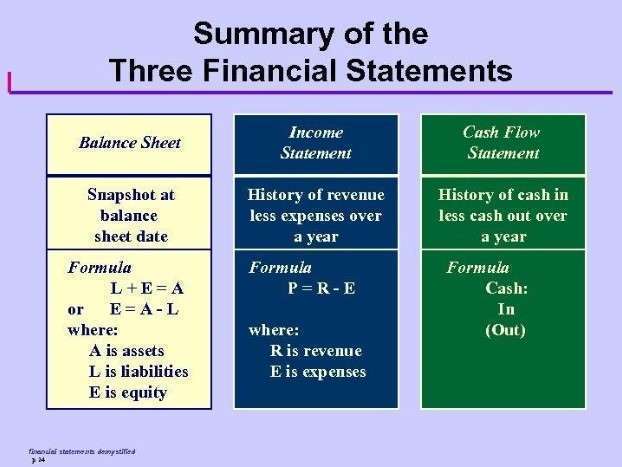
In the CFF formula, debt and equity issuances are shown as positive cash inflows since the business is raising capital (i.e., cash proceeds). The financing activities statement highlights the financial activities related to raising and managing the operations and growth of a company. A cash flow statement is a financial statement that summarizes the flow of cash that comes in and goes out of a company.

Evaluating the cash flow statement lets you know the cash position of your business in advance. In this example, the company has a positive cash flow in the given period, which can be used for its other financial obligations. Cash flows from financing activities include the various transactions that affect the cash flow from financing activities capital structure of your business.

To select a lower level for your search, click on one of the titles below and enter your search term to search only that level of the content. To search the entire document, click on the magnifying glass below to enter your search term(s). Operating activities are the principal revenue-producing activities of the enterprise.